

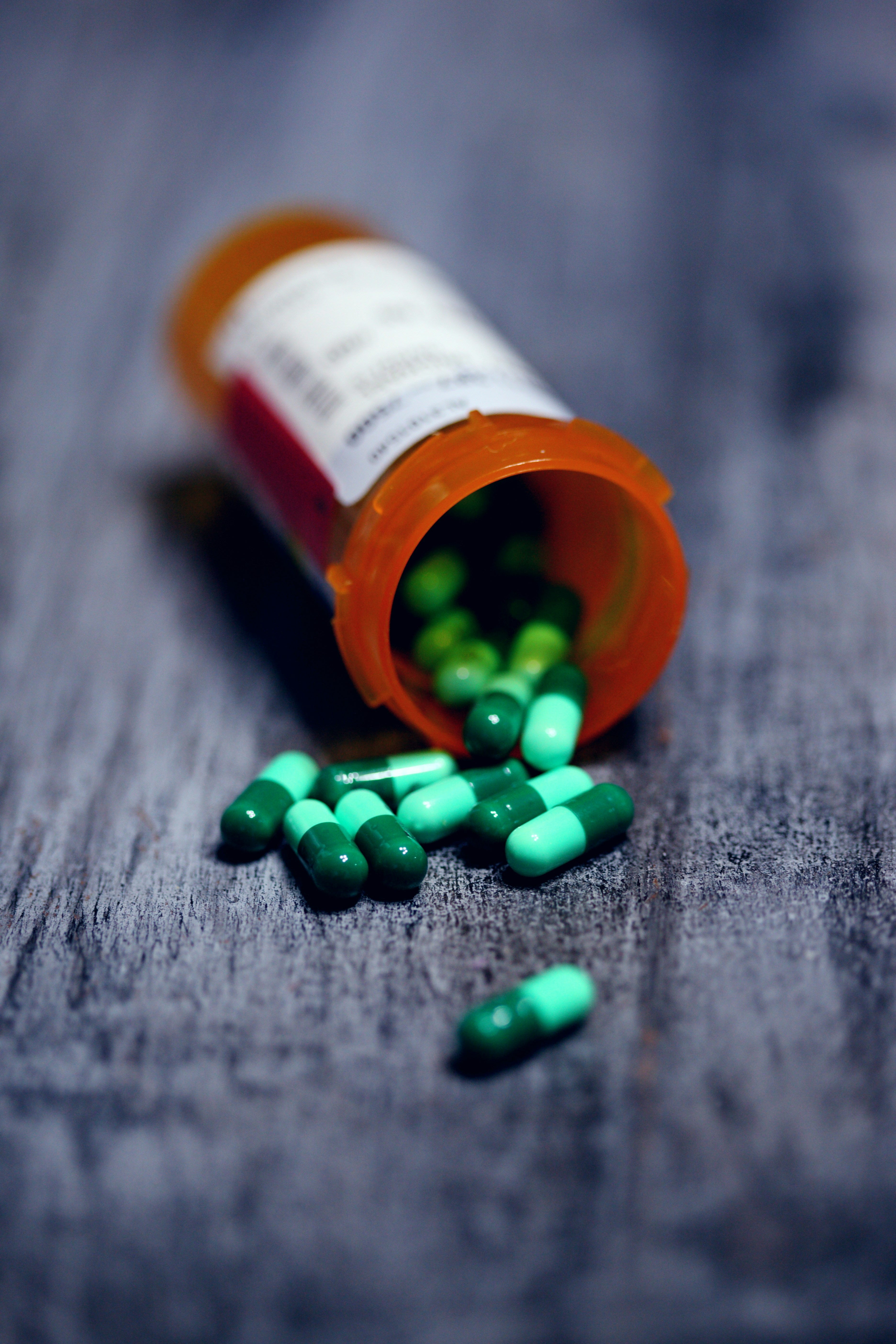
“Medicines cure diseases, but only doctors can cure patients” - (Carl Jung, Psychiatrist)
These days I’m not so sure the famous Carl Jung would agree with the current trends in psychiatric drug prescriptions given to patients by their providers. Most psychiatrists these days have been leaning too heavy into the over-prescription of antipsychotic medications. These dangerous drugs have been ever-more frequently used off-label and their dangerous black box side effects ignored and not conveyed to patients.
Background
Anti psychotic medication was first introduced in the 1950s with the first generation of medications such as Chlorpromazine and Haldol, drugs notorious for their extreme side effects such as extreme unquenchable thirst and severe permanent tremors (Tardive Diskenysia). Second generation and most of the over prescribed medications we are referring to in this article were release from the 1970s - early 2000s. Originally these medications were prescribed to treat psychotic disorders such as schizophrenia and bipolar disorder. Over time, however, many psychiatrists, nurse practitioners and even general physicians have been prescribing second gen antipsychotics for off label uses such as anxiety, depression and insomnia.
How these drugs work in the brain
Now the original first gen antipsychotic medications that were first released to the market in the 1950s, also called Typical Antipsychotics were first known as major tranquilizers. These block D2 dopamine receptors in the brain and work clinically by blocking up to 80% of all D2 receptors. The newer second gen atypical antipsychotics differ in that they block both D2 and seretonin receptors in the brain.
In patients with psychotic disorders this is considered to be helpful in that the working theory is such that excess dopamine in the targeted brain areas are responsible for the symptoms of these disorders.
Now the brain starts to have problems when you block D2 receptors because,
as it turns out, D2 receptors in the brains Basal Ganglia are effected. This is important because the Basal Ganglia is the section of your brain that controls movement of your muscles. When you block dopamine in this area of the brain, the Basal Ganglia essentially loses the ability to fine tune signals its receiving from other parts of your brain which results in unwanted and uncontrollable muscle movements (tardive dyskinesia).
Not a harmless drug to try, Brain Damage
A 2011 study posted in Arch Gen Psychiatry took 211 patients taking antipsychotics and did before and after brain scans several years apart. What it showed was that a higher level of antipsychotic treatment was associated with smaller gray matter volumes in the brain on follow scans.
Off Label use numbers , the hard facts
A recent 2025 study titled “Antipsychotic off-label use in the 21st century: An enduring public health concern” by the Taylor and Francis group, shows a very alarming trend among antipsychotic prescriptions. It showed that 2/3rds of youths receiving anti-psychotic prescriptions and 30-60% of adults were prescribed these drugs under off label uses.
Under this study, during the period from 2000 - 2006 in a sample of patients from Arkansas in the Medicaid population, 62% of the off label use of antipsychotic medication was considered off label use (OLU) without strong evidence for use. Even worse off label use without evidence was at 41% in this group.
The same study showed data from Kaiser Permanente in Northern California. That data showed that off label use of antipsychotics ranged anywhere from 80% - 69% of all antipsychotic prescriptions during the period of 2013 - 2021.
The same study states that the most common psychiatric diagnoses associated with the OLU prescriptions were mood and anxiety disorders, however 15% - 42% had no recorded psychiatric diagnoses.
Another study from August 2024 by Academic Pediatrics titled “On- and Off-Label Atypical Antipsychotic Prescription Trends Across a Nine-Year Period Among Adolescents Pre- to Post-COVID-19”. This study showed that among 5,828 patients prescribed antipsychotic medications 74.5% of those prescriptions were for off label use in 2021.
Thoughts
Do you think that there needs to be stricter regulation in regards to off label prescription of antipsychotic medications? The numbers shown in the above studies are quite alarming as the off label use accounts for the vast majority of all prescriptions written in recent years.